Mountain biking used to be simple. You bought what was essentially a road bike with flat bars, and you went and rode about on a mountain. Sure, there were times when you had to hold on for dear life, wonder if you had really pulled your brakes, and the arm pump was intense. Slowly mountain bikes got better. Some got suspension, some got fat, some got slack, and some got super light. All of these changes make buying a mountain bike confusing. To help ease this confusion we’ve put together a guide to our mountain bikes. TABLE OF CONTENTS What style of mountain bike do I need? What are mountain bike frames made from? Suspension Fork Wheel and tire Groupset Component Details Mountain Bike Fit Budget What style of mountain bike do I need? Mountain biking has diversified, and now you’ll more than likely be confused about what style of bike you need. The best way to work out what bike you need is to sit down and think about how you ride. Be honest with yourself, we’ll all like to slay we’re out there slaying double-diamond black runs, but the reality is that most of us aren't. You need a bike that suits the majority of riding that you do. You don’t want a full-on downhill bike if you mainly ride flowy blue trails. Buying the wrong style of bike is a great way to hate mountain biking, so, look through our tips and make sure your mountain biking is always fun. Trail Bikes Trail bikes are now the most ubiquitous style of mountain bike. They will generally be able to handle some of the rougher stuff, and they’ll still be light enough that they can cross in XC territory. They’ll be slightly slacker than an XC bike, not as slack as an enduro bike and will have suspension travel that fits somewhere in the middle. A trail bike will have between 120mm and 150mm of travel. This amount of travel will soften the majority of trails and will still allow a nice pedaling action and have geometry that you don’t have to be going Mach 10 to appreciate. A trail bike is a good choice for those of us who want to go and ride a trail center at the weekend with our friends. Cross-Country (XC) Bikes Cross-country bikes are designed to be fast. In order to be fast, they’ll be light. They’ll also be designed to pedal well, and for that reason, they’ll have the least amount of suspension travel on offer. You’ll find between 80mm and 120mm on the majority of XC bikes. If you want to race XC, then you’ll definitely want an XC bike. That doesn’t mean they are only good for racing. If you enjoy getting a load of miles in and taking on huge climbs, then an XC bike is for you. They are great for getting out and riding on all day, and you’ll not suffer from the extra weight added to the more burly bikes. All-Mountain/Enduro Bikes The all-mountain category is becoming the enduro category. Enduro racing has taken off, mainly because it is the form of racing that mimics most closely how the majority of us ride on a day to day basis. Enduro bikes have to be able to cope with riding downhill style trails, but they also have to be pedaled uphill. They are more gravity focused than a trail bike and as such will come with suspension travel between 150mm and 180mm. They will also feature slacker geometry, a burlier design, and a longer wheelbase. These facts will make riding an enduro bike at slow speeds less fun. They will make the bike seem much more stable at high speed though. You’ll want to get an enduro bike if you want to race or if you enjoy riding downhill super fast and don’t mind pedaling back up to earn your turns. Downhill/Park Bikes These bikes are al about high-speed downhill and hitting huge jumps. As this is there focus, you can expect to be pushing your bike uphill as that is not part of the design sheet. These bikes will not be fun for long days in the saddle, or a day of cruising trail centers. Park laps and uplift days, they will be the perfect bike. You’ll find park bikes that are fully rigid dirt jumpers, up to 200mm travel downhill bikes. They are a wide church, and again, you’ll need to pick the one that suits your riding style. Fat bikes Fat bikes are a niche all to themselves in mountain biking. They again will be anywhere from rigid models to full suspension models. Their defining characteristic will be their fat tires, though. These tires allow them to float across the top of surfaces that a standard mountain bike tire will have sunk into and pitched you over the bars. If you want to read a more in-depth breakdown of the difference between XC and trail bikes, we have a guide, just click the hyperlink. We also have an article you can read on the difference between trail and enduro bikes. If you want to know more about fat bikes, we have a fat bikes buyer’s guide. Have you come to a decision? You might have already decided which bike you need, but it is best to follow up by asking yourself a few questions to narrow down the answer to what you need. Why do you want to ride a bike? Where will you be riding most of the time? What is the weather and the terrain like in your area? How frequently will you be riding your bike? What is more critical for you, speed or comfort?...
Read more


 Gravel biking has witnessed a surge in popularity, with enthusiasts seeking versatile bikes that can conquer a variety of terrains. As the demand for high-performance gravel bikes grows, the choice of the right frameset becomes crucial. Cutting-edge carbon technology, innovative geometry trends, and integrated components dominate the gravel biking scene. This article aims to guide you through the top carbon gravel framesets from ICAN, considering key factors such as advanced carbon technology, geometry trends, and the integration of components. Advanced Carbon Technology...
 Mountain biking used to be simple. You bought what was essentially a road bike with flat bars, and you went and rode about on a mountain. Sure, there were times when you had to hold on for dear life, wonder if you had really pulled your brakes, and the arm pump was intense. Slowly mountain bikes got better. Some got suspension, some got fat, some got slack, and some got super light. All of these changes make buying a mountain bike confusing. To help ease this confusion we’ve put together a guide to our mountain bikes. TABLE OF CONTENTS What style of mountain bike do I need? What are mountain bike frames made from? Suspension Fork Wheel and tire Groupset Component Details Mountain Bike Fit Budget What style of mountain bike do I need? Mountain biking has diversified, and now you’ll more than likely be confused about what style of bike you need. The best way to work out what bike you need is to sit down and think about how you ride. Be honest with yourself, we’ll all like to slay we’re out there slaying double-diamond black runs, but the reality is that most of us aren't. You need a bike that suits the majority of riding that you do. You don’t want a full-on downhill bike if you mainly ride flowy blue trails. Buying the wrong style of bike is a great way to hate mountain biking, so, look through our tips and make sure your mountain biking is always fun. Trail Bikes Trail bikes are now the most ubiquitous style of mountain bike. They will generally be able to handle some of the rougher stuff, and they’ll still be light enough that they can cross in XC territory. They’ll be slightly slacker than an XC bike, not as slack as an enduro bike and will have suspension travel that fits somewhere in the middle. A trail bike will have between 120mm and 150mm of travel. This amount of travel will soften the majority of trails and will still allow a nice pedaling action and have geometry that you don’t have to be going Mach 10 to appreciate. A trail bike is a good choice for those of us who want to go and ride a trail center at the weekend with our friends. Cross-Country (XC) Bikes Cross-country bikes are designed to be fast. In order to be fast, they’ll be light. They’ll also be designed to pedal well, and for that reason, they’ll have the least amount of suspension travel on offer. You’ll find between 80mm and 120mm on the majority of XC bikes. If you want to race XC, then you’ll definitely want an XC bike. That doesn’t mean they are only good for racing. If you enjoy getting a load of miles in and taking on huge climbs, then an XC bike is for you. They are great for getting out and riding on all day, and you’ll not suffer from the extra weight added to the more burly bikes. All-Mountain/Enduro Bikes The all-mountain category is becoming the enduro category. Enduro racing has taken off, mainly because it is the form of racing that mimics most closely how the majority of us ride on a day to day basis. Enduro bikes have to be able to cope with riding downhill style trails, but they also have to be pedaled uphill. They are more gravity focused than a trail bike and as such will come with suspension travel between 150mm and 180mm. They will also feature slacker geometry, a burlier design, and a longer wheelbase. These facts will make riding an enduro bike at slow speeds less fun. They will make the bike seem much more stable at high speed though. You’ll want to get an enduro bike if you want to race or if you enjoy riding downhill super fast and don’t mind pedaling back up to earn your turns. Downhill/Park Bikes These bikes are al about high-speed downhill and hitting huge jumps. As this is there focus, you can expect to be pushing your bike uphill as that is not part of the design sheet. These bikes will not be fun for long days in the saddle, or a day of cruising trail centers. Park laps and uplift days, they will be the perfect bike. You’ll find park bikes that are fully rigid dirt jumpers, up to 200mm travel downhill bikes. They are a wide church, and again, you’ll need to pick the one that suits your riding style. Fat bikes Fat bikes are a niche all to themselves in mountain biking. They again will be anywhere from rigid models to full suspension models. Their defining characteristic will be their fat tires, though. These tires allow them to float across the top of surfaces that a standard mountain bike tire will have sunk into and pitched you over the bars. If you want to read a more in-depth breakdown of the difference between XC and trail bikes, we have a guide, just click the hyperlink. We also have an article you can read on the difference between trail and enduro bikes. If you want to know more about fat bikes, we have a fat bikes buyer’s guide. Have you come to a decision? You might have already decided which bike you need, but it is best to follow up by asking yourself a few questions to narrow down the answer to what you need. Why do you want to ride a bike? Where will you be riding most of the time? What is the weather and the terrain like in your area? How frequently will you be riding your bike? What is more critical for you, speed or comfort?...
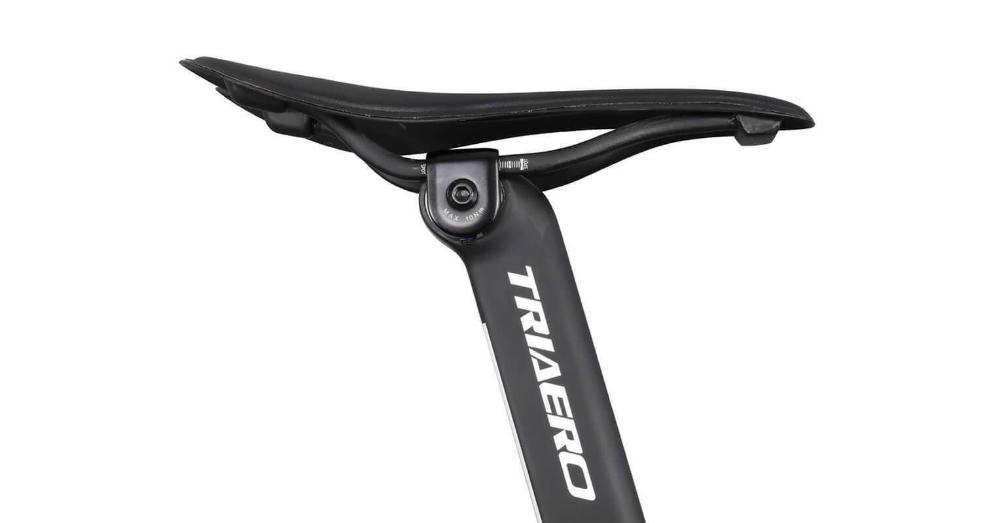 If there is one part on your bike you want to make sure correctly fits you, it is your saddle. The wrong saddle choice is literally a pain in the ass. If you want to make sure you enjoy cycling, you don’t want to buy a saddle because it is cheap or on offer. You need to buy it because it suits you. You also not want to listen to your friends or reviews on saddles. What is a comfortable...